Badge Lamination and Belonging: A Field Guide to America's Most Gloriously Pointless Conventions
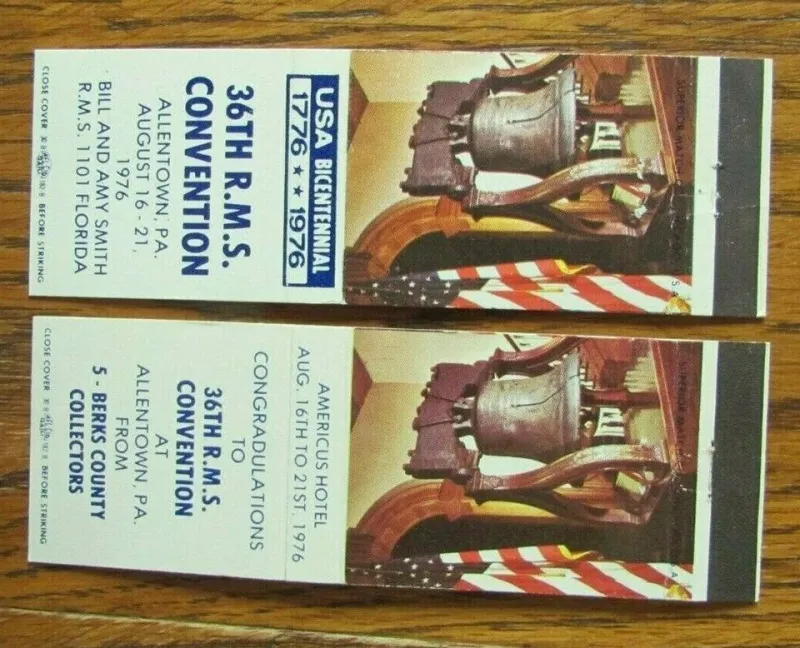
Photo: Self Scanned, Public domain, via Wikimedia Commons
Every niche community eventually faces the same question: we have a subreddit, we have a Discord, we have a group chat that never sleeps — why on earth would we rent a hotel ballroom?
The answer, apparently, is that a surprising number of them do anyway. And the results are some of the most sincere human gatherings in America.
The Answering Machine Summit
Yes, it exists. Collectors of vintage answering machines — the micro-cassette units, the ones with the little cassette doors and the robotic voices — have organized meetups where enthusiasts demonstrate rare models, trade tapes of old outgoing messages, and argue earnestly about whether the answering machine's golden era was the mid-'80s or early-'90s. (It's the early '90s. Do not start this fight in the ballroom.)
Who shows up? An improbable mix: audio engineers, retirees who worked at electronics firms, and twentysomethings who find the whole aesthetic of a physical, tape-based voicemail deeply soothing. Why does it persist? Because you cannot truly appreciate the clunk of a tape mechanism over a video call. Some things must be heard in a room.
The Road Atlas Expo
In the Midwest, a devoted gathering of map people — specifically, road atlas collectors — convenes annually to trade editions, show off rare covers, and deliver presentations with titles like 'The Evolution of the Interstate Insert Page.' Attendees include cartography grad students, truckers, and a healthy contingent of people who just like knowing that a 1974 Rand McNally exists and that they could hold it.
The internet, ironically, fueled this. Online databases made it possible to catalog every edition ever printed, which made it possible to know what you were missing, which made it necessary to attend a convention to find it.
More Gatherings Worth Knowing About
The pattern repeats across the country:
- The vintage office equipment meet, where typewriter people and early-calculator people share a floor and a quiet mutual respect.
- A regional gathering for enthusiasts of obsolete phone systems, complete with working switchboard demonstrations.
- The small-town festival circuit's odder cousins — celebrations of specific regional foods, specific bridge designs, specific decades of local history.
Each one runs on the same fuel: a mailing list, a volunteer with a spreadsheet, and a hotel conference rate negotiated at 11 p.m. by someone who refuses to let the tradition lapse.
Why a Ballroom Beats a Discord
Here's the thing the internet gets wrong about fandom: it optimizes for information, not presence. A Discord server can tell you everything about a 1987 answering machine. It cannot hand you one, let you press the playback button, and watch your face while you do it.
In-person conventions trade reach for density. Fifty people in a room who get it is worth more, socially, than five thousand in a server. There are no lurkers at the atlas expo. Everyone there drove hours. That shared cost — of time, of travel, of wearing a name tag — is the whole point. It's a filter that says: this mattered enough to me to be physical.
The Survival Manual
How do these events endure without sponsors, marketing, or institutional backing? Three ingredients, visible at every one:
- One irreplaceable organizer. Every gathering has a person who books the venue, and everyone knows who they are.
- A ritual. The swap table. The show-and-tell hour. The group photo. Traditions give people a reason to come back.
- Low stakes, high sincerity. Nobody's monetizing. Nobody's building a brand. It's a weekend, and everyone knows it, and that shared understanding is oddly liberating.
The internet made it possible to find your people. Conventions make it possible to sit across a table from them. In 2025, that's practically a radical act — and it's a lot of fun to watch.