The Banned List Became a Reading List: BookTok's Accidental War on Censorship
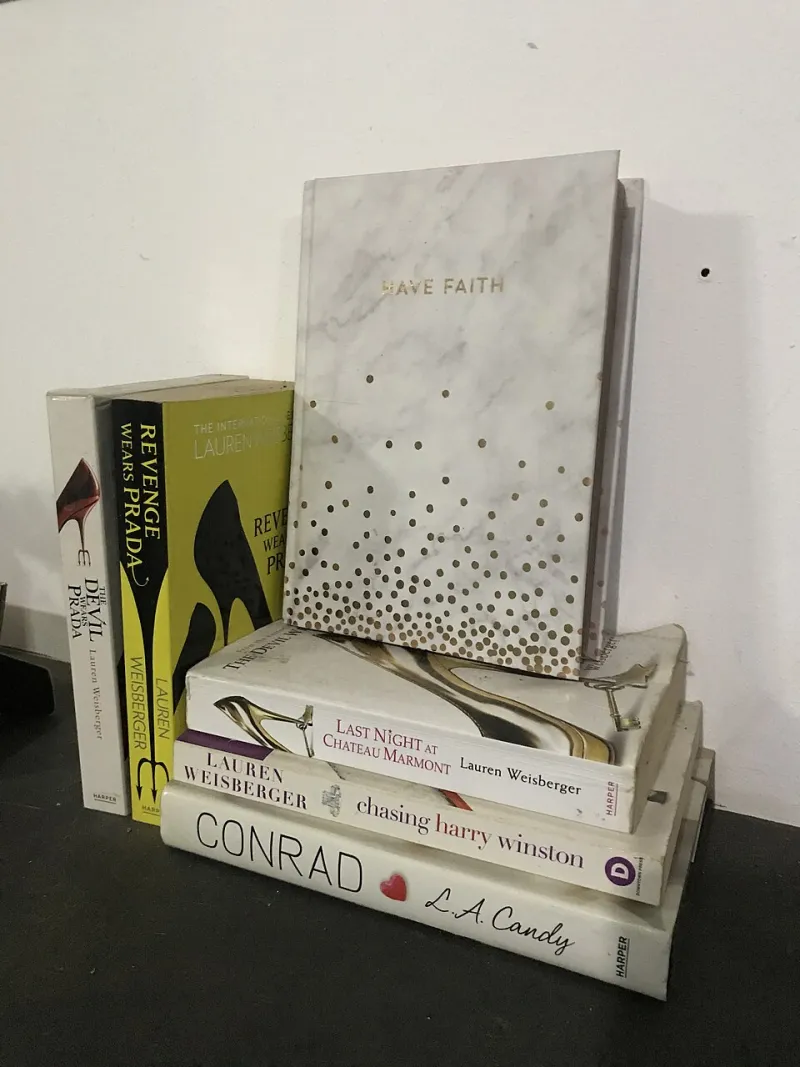
Photo: mycurrency.com, CC BY-SA 4.0, via Wikimedia Commons
Somewhere in a school board meeting in a mid-sized American city, a parent is arguing that a particular book should be removed from library shelves. The reasons vary — too explicit, too political, too honest about something someone would rather children not encounter yet. It's a scene that's played out thousands of times in the last few years, as book challenges in the US hit record numbers.
What those meetings don't account for is the teenager at home, phone in hand, watching a TikTok about exactly that book. And buying it.
How BookTok Became the World's Most Chaotic Librarian
BookTok — the loose, sprawling corner of TikTok where readers post reviews, reactions, and recommendations — has been credited with reviving physical book sales in an era when publishers were bracing for decline. The numbers are real. Titles that catch fire on the platform routinely sell out at Barnes & Noble. Publishers have started designing book covers specifically to look good in a TikTok thumbnail. The whole industry shifted.
But one of BookTok's stranger effects is what happens when a book gets challenged or banned somewhere in the country. The news cycle picks it up. Someone on BookTok makes a video. The comment section fills up with people who had never heard of the book now treating it like required reading. Within days, the title is trending, and its Amazon ranking has climbed several hundred spots.
This isn't a coordinated campaign. There's no organization behind it. It's just the way attention works on the platform — controversy is algorithmically interesting, and a book that powerful adults are trying to keep away from young people is, almost by definition, interesting.
The Titles That Broke Through
The books that have benefited most from this dynamic tend to cluster in a few categories. LGBTQ+ young adult fiction has seen some of the most dramatic examples. Titles that were quietly doing modest sales numbers suddenly found themselves with national audiences after appearing on challenge lists compiled by groups like PEN America, which tracked over 4,000 book bans in the 2022-2023 school year alone — a record.
Gender Queer by Maia Kobabe became one of the most challenged books in America and, not coincidentally, one of the most talked-about books on BookTok. The two things are connected. Every new school district that challenged it generated a new wave of coverage, which generated new videos, which sent new readers to their local bookstores or library holds lists.
Classics haven't been immune either. Toni Morrison's The Bluest Eye and Beloved have appeared on challenge lists for decades, but younger readers encountering them for the first time through BookTok are discovering them as revelations rather than curriculum requirements — which changes the relationship entirely.
Publishers Are Caught Flat-Footed
The publishing industry's response to all of this has been, charitably, uneven. Some publishers have leaned in, quietly noting in press materials that a title has been challenged or banned, treating it as a signal of the book's cultural relevance. Others have been more cautious, worried about the optics of appearing to market controversy rather than content.
Smaller indie publishers and university presses — the ones that often handle the most genuinely provocative literary fiction — tend to have less infrastructure to capitalize on a sudden spike in attention. A book that goes viral on BookTok needs to be available. Print runs need to be ready. Digital editions need to be accessible. The gap between a book trending and a reader being able to actually buy it can be the difference between a lasting audience and a flash in the pan.
There's also a quieter tension: not every author whose book gets banned wants to be a symbol. Some writers have described the experience as disorienting — suddenly becoming the face of a culture war debate when they just wanted to tell a story. The virality is not always welcome, even when the sales numbers are.
Does the Attention Last?
This is the question worth sitting with. BookTok's attention span follows the same rhythms as any other content ecosystem — intense, then scattered, then on to the next thing. A book can trend for a week and then fall off the algorithm entirely. The challenge is whether readers who discovered a title through a ban controversy actually finish it, recommend it to others, and build the kind of sustained readership that keeps a book in print and in conversation for years.
The early evidence is mixed. Some titles have clearly broken through in a lasting way — their ban status transformed into a permanent part of their cultural identity, the way certain films wear their controversy as a badge. Others have spiked and faded, returning to relative obscurity once the news cycle moved on.
What seems to matter most is whether the book itself delivers on the implicit promise that controversy creates. Readers who pick up a banned book are often expecting something transgressive, something that explains why someone wanted it gone. Books that feel genuinely challenging tend to hold their audiences. Books that feel tame by comparison — banned for reasons that seem more political than literary — sometimes lose readers who feel the controversy oversold them.
The Unintended Curriculum
There's something almost poetic about the dynamic when you step back from it. Censorship efforts are, at their core, attempts to control what stories people have access to. BookTok — decentralized, algorithm-driven, and deeply indifferent to institutional authority — has become one of the most effective mechanisms for undoing that control, not through protest or organized resistance, but through the simple act of talking about books online.
The school board meeting and the TikTok video are operating in completely different registers. One is trying to limit a story's reach. The other is just excited about it. And right now, excitement is winning.
The strange signal here isn't that banned books are going viral. It's that the people trying to suppress them may be the most effective marketing department in publishing.