Sears Is Gone but the Food Court Lives Forever: America's Dead Mall Fandom, Explained
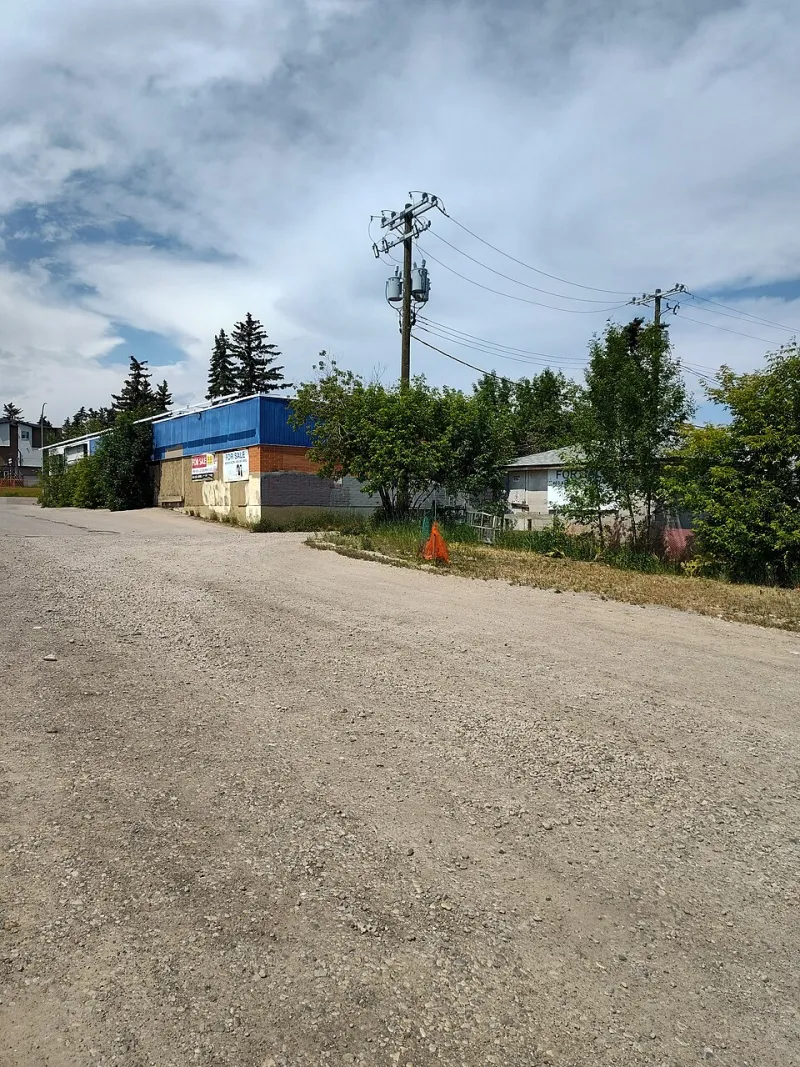
Photo: CnekYT, CC BY-SA 4.0, via Wikimedia Commons
Somewhere in Ohio, a photographer is standing in a flooded parking lot shooting the entrance of a mall that closed in 2009. The fountain in the center court still has water in it, which the mall's skeleton crew apparently never drained. The photo will get thousands of likes within a day, mostly from people who have never been to Ohio.
This is the dead mall community, and it is enormous, sincere, and stranger than it looks from the outside.
It Started With a Guy and a Blog
The cultural anchor is Dead Malls, a website founded by developer Kevin Kelley in the early 2000s, long before "ruin photography" was a genre with its own aesthetic. People submitted accounts of malls they remembered — what anchor stores they had, when the rot set in, what the food court smelled like. The site treated these buildings with the archival seriousness usually reserved for cathedrals.
Two decades later, the fandom has spread across YouTube, Reddit, Discord, and TikTok. Dan Bell's "Dead Mall Series" videos rack up millions of views. Subreddits catalog closures with the precision of war historians. And in 2021, when the last Kmart in the United States closed its doors in Manhattan — the final outpost of a store that once numbered over two thousand — the internet held something between a wake and a festival.
The Aesthetic Is the Hook, the Grief Is the Point
It's easy to file dead mall content under "liminal spaces" and move on. Empty corridors, dead skylights, a lone fountain burbling for no one — the imagery scratches a very specific itch, the same one that made the Backrooms a phenomenon.
But talk to the people actually in these communities and the conversation drifts somewhere more tender. They talk about the mall as a place where teenagers got their first jobs. Where grandparents walked laps in winter. Where a family might spend a Saturday without anyone spending a dime. Sociologist Ray Oldenburg called places like this "third places" — not home, not work, but the spaces where community actually happens. And by every measure, America has been losing them for forty years.
Malls didn't die of natural causes. E-commerce took the revenue, sure, but the deeper story is that we stopped building shared space at all. The mall was flawed, corporatized, and aggressively beige — and it was also the only room in town big enough for everyone.
Mourning Buildings They Never Shopped In
Here's the part that fascinates: much of the fandom is too young to have any real memories of a thriving mall. Their nostalgia is inherited, absorbed from YouTube walkthroughs and a parent's offhand remark about the arcade that used to be by the escalator.
That secondhand mourning says something. You don't have to have sat in a Orange Julius in 1988 to understand what's being described — a public interior where you were allowed to exist without paying admission. When the fandom documents a dying Sears, it's really documenting the last artifact of a social arrangement that has no modern replacement. The gym is a membership. The coffee shop is a purchase. The mall food court asked nothing of you.
Some of these buildings are getting second lives — indoor farms, apartment conversions, in one Minnesota case, a full-fledged city government moving into an old Macy's. The fans follow those stories too, with the cautious optimism of people who've watched too many buildings end up fenced.
The Most American Ruin
Rome has its forums. Detroit has its train station. But the dead mall might be the defining ruin of the American century: a monument to consumption, built in the exact shape of community, abandoned when the consumption moved somewhere faster.
The people photographing them aren't being morbid. They're doing what humans have always done with ruins — standing in the middle of something and trying to figure out what it meant. It just so happens that this ruin had a Sbarro.