Still a Dial Tone: A Field Guide to the Payphones That Refuse to Disappear
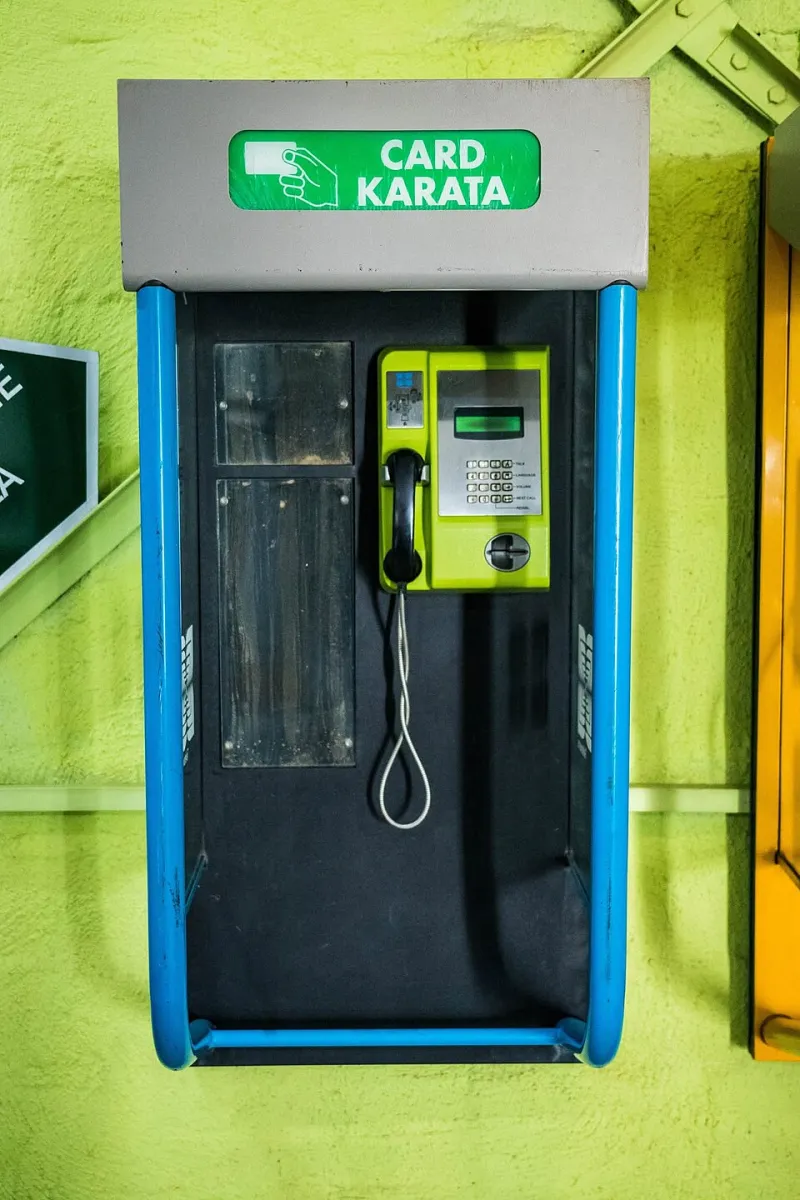
Photo: Squishypaw, CC BY-SA 4.0, via Wikimedia Commons
The Rules of the Ring
First rule of payphone hunting: do not expect anyone to answer. The point is the ring. You call the number, listen to the mechanical trill, and hang up. If someone does pick up — a kid, a bored clerk, a guy waiting for a bus — you apologize and say you were testing the line. That is the etiquette. You do not prank. You do not scream. You do not leave the receiver off the hook. You are a guest in a very small, very public room.
The second rule: bring quarters. Many working payphones still take them. Some are free, some are card-only, some have been rewired by hobbyists to accept VoIP calls. The Payphone Project, a long-running online directory, lists numbers and locations; collectors trade updates on forums and subreddits. Locations change. Storms take them out. A town council votes to remove one. A gas station owner adopts another. The map is always moving.
Where the Last Ones Live
There is no definitive count, but the number of working public payphones in the United States is in the low thousands, down from millions at the peak. They survive in places where cell service is spotty, where tourists expect them, where a local government decided the box was worth keeping. Here are a few that hobbyists still talk about — check before you go, because the payphone world is fickle.
- Luning, Nevada: A working payphone outside a gas station off US-95, long cited by collectors as one of the loneliest in the country. The kind of place where the ring sounds like a mistake.
- Bellbrook, Ohio: A payphone in the lobby of the police department, kept for people who need to make a call and do not have a phone. It is not a shrine, but it is treated like one.
- Prairie City, Iowa: A payphone on the town square, near the courthouse. On a quiet afternoon, you can hear it ring from across the street.
- Watsonville, California: A payphone near the fairgrounds that has been adopted by a local collector who checks the coin box and replaces the handset cord.
- Arco, Idaho: A box outside a diner, painted the same color as the building. The owner says it works. The owner also says nobody has called it in months.
- Mendenhall, Mississippi: A crossroads store with a payphone on the porch. The store sells bait, snacks, and one brand of motor oil. The phone takes quarters.
The People Who Adopt Them
Payphone collectors are a specific breed. They know the difference between a Western Electric 3-slot and a Protel 7000. They can tell you which model has the better handset cord. They buy decommissioned phones at surplus auctions and restore them in garages, wiring them to Asterisk servers so the dial tone still sounds right. Some adopt a public phone in their town, checking on it like a stray cat. They clean the receiver. They unjam the coin return. They call the number just to make sure it still rings.
This is not nostalgia for a lost world, exactly. It is stewardship of a piece of infrastructure that asked nothing of you. No login. No app. No terms of service. A payphone is a room with no door, and anyone can step inside for a quarter.
The Calls Strangers Make
When a payphone rings, people answer. That is the strange part. A ringing payphone is an event. Someone walking by will pick it up. The calls are usually wrong numbers, or kids who found the number online, or people testing the line. But hobbyists have collected stranger stories: a man calling to ask if the phone was real; a woman who called every payphone in her hometown because she was lonely; a kid who whispered 'hello' and hung up. The payphone becomes a confessional with no priest, a public space where the only rule is that you have to be there.
What a Dead Box Still Teaches Us
The payphone is an anachronism, but it is not useless. It is a reminder that public space used to include a phone you did not own. It was shared, maintained, and available. The last ones are not museums. They are working equipment, and the people who keep them working are not trying to turn back time. They are just listening for a ring. That is the signal. That is the strange.