Dead Air: The Strange Grief of a Podcast That Just Stopped
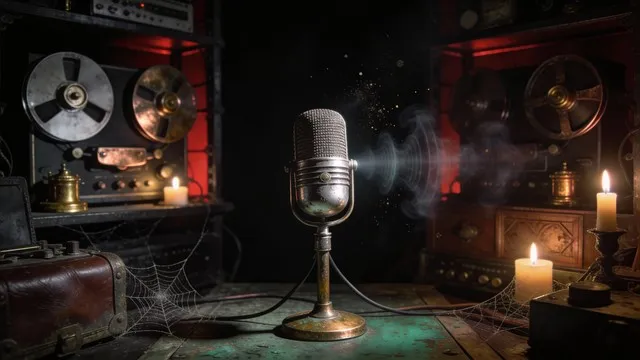
Photo: old microphone abandoned studio dark moody, via images.stockcake.com
Somewhere in the middle of a Spotify library or buried three pages deep in an RSS reader, there's a podcast you used to love. You remember subscribing. You remember recommending it to someone at work. You remember the host's laugh, the show's particular rhythm, the way it made a Tuesday commute feel like something. And then one day — probably a day you didn't even notice at first — it stopped.
No goodbye episode. No pinned tweet explaining things. Just silence where there used to be signal.
This is the podcast graveyard. It's enormous, it's growing, and almost nobody talks about it directly.
The Numbers Are Worse Than You Think
Podcast Insights has been tracking this for years, and the data is bleak in a specific way. The majority of podcasts that ever launched have gone dormant. Not "on hiatus." Not "taking a break." Just — done. The RSS feed is still technically alive. The old episodes are still technically accessible. But the show is over, and it ended without ceremony.
What makes this different from, say, a TV show getting canceled is the intimacy of the medium. Podcasts — especially indie ones, which is most of them — run on a parasocial economy that television rarely achieves. The host isn't performing for a camera crew and a network executive. They're talking into a microphone in a closet, and somehow that comes through. Listeners feel like they know these people. Which means when the show disappears, it doesn't feel like a product getting discontinued. It feels like someone just stopped calling.
Why They Vanish
The economics of independent podcasting are genuinely brutal in ways that aren't obvious from the outside. Most shows never crack the ad revenue threshold that makes them financially sustainable. The ones that do often discover that sponsorship money is inconsistent, dependent on download numbers that can swing wildly based on algorithm changes or a single viral moment that never repeats.
Creative burnout is the other half of the equation. Producing a show — even a conversational, loosely formatted one — is labor-intensive in ways that aren't visible to listeners. Scheduling guests, editing audio, writing show notes, managing a social presence, answering listener emails, maintaining a Patreon, dealing with the ambient anxiety of releasing something into the void every single week. That grind compounds. A lot of hosts describe hitting a wall where the thing they loved making starts to feel like a job they can't quit and can't afford.
Some shows disappear because of interpersonal fallout between co-hosts that never gets explained publicly. Some vanish because the host's life changed — new city, new job, new baby — and the show was a casualty of a transition that had nothing to do with the audience. And occasionally, genuinely occasionally, a show just stops because something went wrong that the host isn't willing to discuss.
That last category is where the fan theories live.
The Archive Detectives
In the communities that form around defunct shows — subreddits, Discord servers, old Facebook groups that refuse to die — there's a particular kind of listener who becomes something like an amateur archivist. They download every episode before the hosting service potentially deletes them. They screenshot old social media posts. They track the host's other online presence for clues. They build timelines.
This isn't creepy, or at least it doesn't start out that way. It's a coping mechanism that makes a lot of sense when you understand how abrupt these endings usually are. When a show you invested years into just stops mid-arc — mid-season, sometimes mid-story — the lack of resolution is genuinely uncomfortable. The brain wants closure. If the creator won't provide it, the community will manufacture it.
Some of this archival work is genuinely valuable. Fans of obscure shows have rescued episodes from dead hosting services, created unofficial wikis, and maintained listening communities years after the original feed went quiet. There's something weirdly beautiful about that — a small group of people keeping a signal alive in a medium that has no real infrastructure for preservation.
Some of it tips into something stranger. Hosts who've gone quiet have reported being contacted by listeners who've constructed elaborate theories about what happened — theories that are occasionally invasive, sometimes accusatory, and reflect a kind of parasocial entitlement that the medium accidentally encourages.
The Farewell Episode Nobody Makes
Here's the thing that's easy to miss: most creators don't intend to abandon their shows. They intend to come back. The final episode isn't recorded as a final episode — it's recorded as a regular one, with a vague "see you next week" at the end that never materializes. There's no dramatic decision point, no moment where someone says "this is it." There's just a gap that stretches from days into weeks into months until it becomes a permanent condition.
This is different from malice or indifference. It's often closer to shame. A lot of indie podcasters describe being unable to return to their shows not because they don't want to, but because the longer the gap gets, the harder it becomes to address. What do you say in that episode? How do you explain six months of silence? The easier path, psychologically, is just to not record it.
Which leaves the listeners holding something unresolved.
Grief With No Obituary
What the podcast graveyard illustrates, if you're willing to sit with it, is something genuinely specific about how we consume audio. The medium creates attachment in a way that's different from visual media, different from reading, different from music. Something about hearing a human voice regularly — hearing it evolve, hearing it have bad days, hearing it laugh at its own jokes — builds a relationship that feels real even when it's technically one-directional.
When that voice stops, people mourn. Not dramatically, not in ways that require clinical attention, but genuinely. They feel a loss. And because the medium has no built-in infrastructure for endings — no network announcement, no final season arc, no press release — that loss often has no clear object. The show is gone but it's also still there, frozen in the feed, waiting.
Izatioth exists precisely for the things that fall between categories, the experiences that don't have a clean cultural vocabulary yet. The podcast graveyard is one of those. It's a subculture of grief organized around dead audio files and unanswered questions, and it's stranger and more widespread than anyone who hasn't lived it would expect.
Somewhere out there, someone is still checking an RSS feed that hasn't updated in two years. Just in case.