Read This First: The Obsessives Rescuing the Instruction Manuals Everyone Threw Away
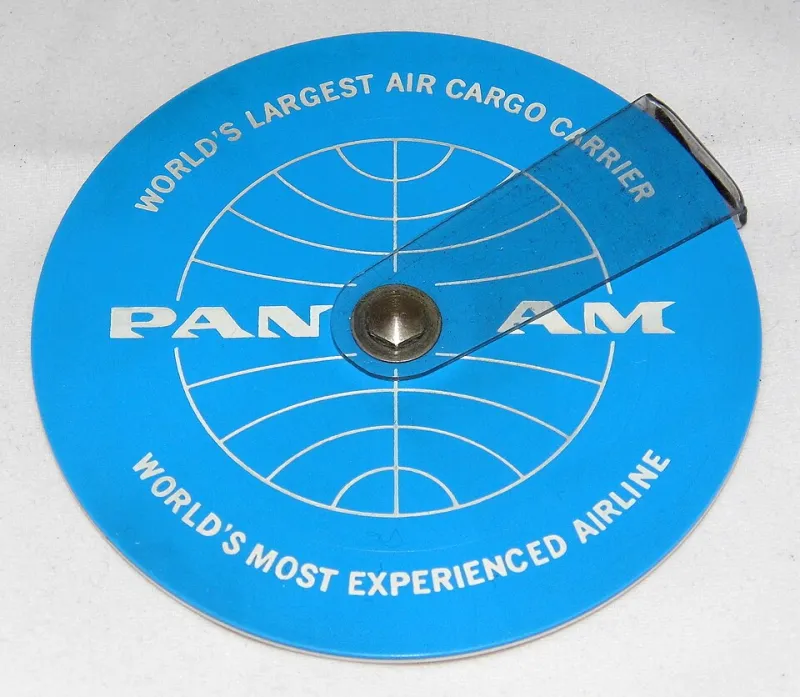
Photo: Joe Haupt from USA, CC BY-SA 2.0, via Wikimedia Commons
The manual for a 1987 Panasonic microwave is not, on its face, a gripping read. It tells you not to heat sealed containers. It includes a troubleshooting chart that assumes you have already done several things wrong. The font is utilitarian. The diagrams look like they were drafted by someone who had never actually met a human hand. And yet, somewhere in a temperature-controlled room in Ohio, there is a person who owns three copies of it — one to use, one to display, and one sealed in an archival sleeve.
This is not a joke. This is a subculture.
The Archive Nobody Asked For (But Somebody Needed)
Instruction manual collecting exists in a weird pocket of the preservation world that doesn't get the same romantic treatment as, say, vinyl records or vintage film cameras. There's no cool factor baked in. Nobody's going to see your binder of DOS 6.22 setup guides and ask if they can borrow it for a party. But the community doing this work is serious, organized, and growing — and the digital side of it is genuinely impressive.
Sites like ManualsLib have been indexing product documentation for years, but that's more utility than culture. What's happening in the collector underground is different. Forums, Discord servers, and subreddits have become gathering places for people who aren't just using old manuals — they're theorizing about them. Arguing over them. Grieving the ones that got landfilled.
The project of digitizing this stuff is enormous. One collector, who goes by the handle TerminalPageFlip on a retro tech forum, has personally scanned over 2,000 manuals since 2019 — everything from early Apple IIe documentation to the setup guide for a mid-90s Casio keyboard that sold maybe forty thousand units. "Most of these never got archived anywhere," he wrote in a post that circulated through several vintage tech communities last year. "When the company dies, the manual dies. And then that whole little world just disappears."
Why a Pamphlet About a Bread Machine Matters
Here's the thing about instruction manuals that the collectors will tell you pretty quickly: they're time capsules in a way that almost nothing else is. A product manual from 1994 isn't trying to be anything. It's not performing nostalgia. It wasn't made to be preserved. It was made to be used once, maybe twice, and then stuffed in a junk drawer until the appliance broke and both got thrown out together.
That total absence of self-consciousness is exactly what makes them strange and valuable. The language in old manuals reflects how companies thought about their customers — often with a kind of patient condescension that reads as almost tender in retrospect. "Ensure the unit is properly grounded before operation." "Do not immerse in water." "If the display shows 'ERR,' please consult your dealer." These sentences weren't written to be read closely, but read closely they become something else: a record of assumptions, anxieties, and the specific texture of everyday life in a particular decade.
Collectors talk about this a lot — the way that manuals for discontinued products are the only surviving documentation of what it felt like to interact with that object. Not reviews. Not advertisements. The actual instructions for living with it.
The Aesthetic Argument
And then there's the visual dimension, which is where things get genuinely surprising.
Pre-digital instruction manuals were designed under serious constraints. Limited color printing, small budgets, tight page counts. The result was a visual language that's become its own aesthetic category — dense line drawings, exploded diagrams, numbered callouts that somehow managed to be both completely clear and slightly alien. The graphic design of a 1970s blender manual and a 1980s VCR setup guide share a visual DNA that's immediately recognizable and completely extinct.
Several artists and designers have started pulling from this archive deliberately. Zines that mimic the format. Posters that replicate the diagram style. There's a small but real market for prints made from scanned manual pages — particularly the cutaway illustrations that were standard in appliance guides before 3D rendering made them obsolete. The aesthetic has a name in some corners of the design internet: "technical folk art," which sounds pretentious until you actually look at a full-page exploded diagram of a 1965 Sunbeam stand mixer and realize it's genuinely beautiful.
The Corporate Discard Pile
One thing the manual preservation community has a lot of feelings about is the way corporations have treated this documentation. When a company gets acquired, rebrands, or simply stops supporting a product line, the technical documentation is almost always the first thing to vanish. Support pages go dark. PDFs get pulled. Phone lines disconnect. The assumption is that nobody needs this information anymore — and for the company, that's probably financially true.
For the people who still own the products, it's a different story. There are entire threads dedicated to tracking down manuals for appliances that are still in daily use — older HVAC systems, legacy medical equipment, industrial tools — where the documentation has simply ceased to exist in any official capacity. The collector community fills that gap, sometimes in ways that are legally murky and practically essential.
"Corporations throw these things away because they have no monetary value," wrote one archivist in a thread about preserving early home computer documentation. "But monetary value and historical value are not the same thing, and somebody has to care about the difference."
Something Worth Reading After All
There's a particular kind of beauty in something that was never supposed to last. Instruction manuals were designed to be disposable — functional for a moment, then gone. The people collecting and preserving them have decided, collectively and somewhat stubbornly, that this framing was wrong. That the mundane record of how people lived with their objects is worth keeping. That "do not use near open flame" is, in its own weird way, a form of communication across time.
It's a niche obsession, sure. But Izatioth has always had a soft spot for the people who find the signal in the static — and there's something quietly radical about deciding that the stuff everyone else discarded is exactly the stuff worth saving.
The manual for that 1987 Panasonic microwave is out there somewhere, probably in a scanner bed, probably being lovingly catalogued by someone who will never use it but absolutely needs to have it. That feels right. That feels like the internet doing something genuinely good with its weird, bottomless memory.